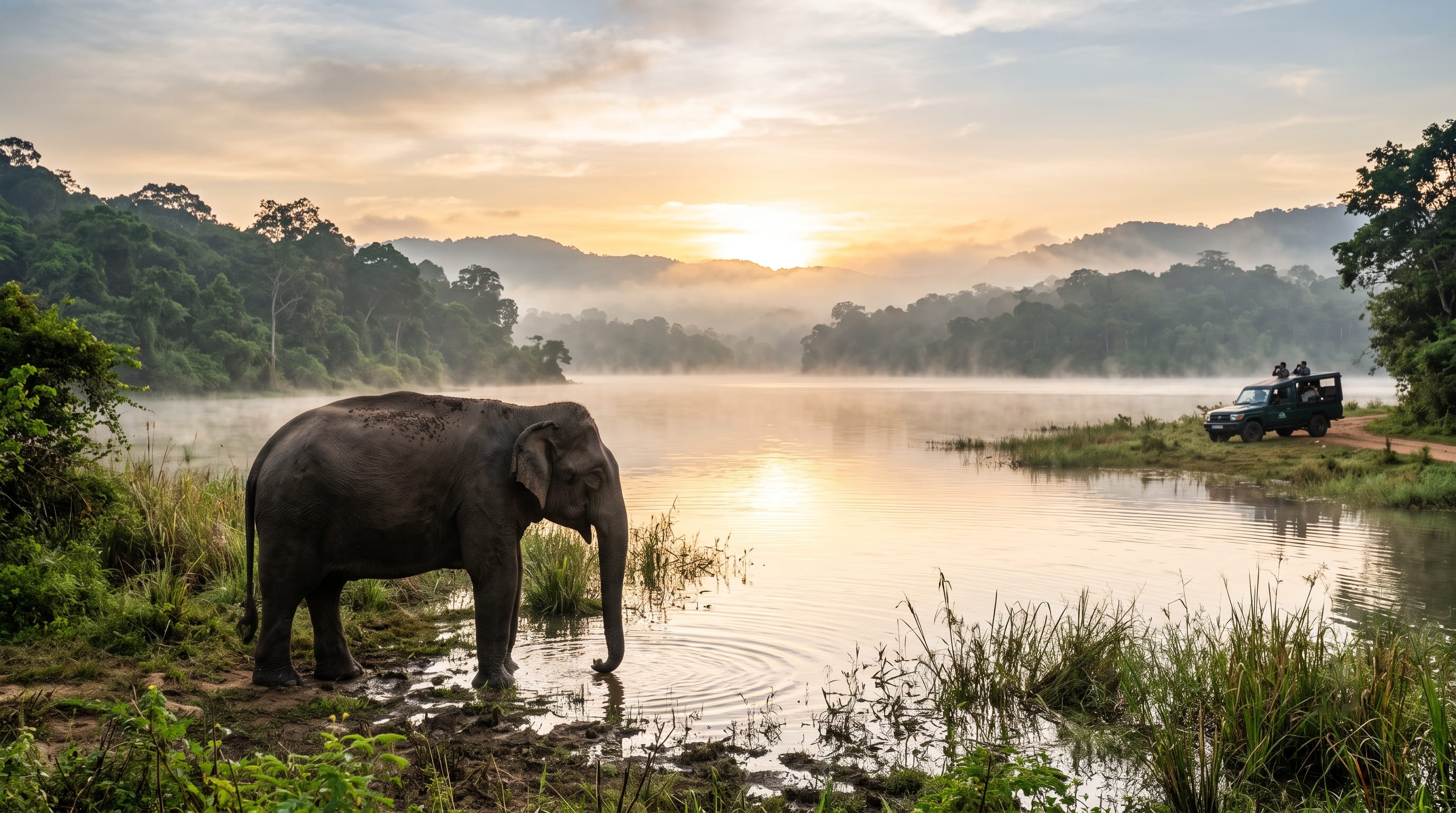

As European travelers increasingly seek sustainable and mindful winter escapes, Sri Lanka is rapidly becoming one of Asia's top wildlife destinations in 2026. However, with the endangered Sri Lankan elephant population facing severe habitat loss, ethical wildlife tourism has never been more critical. Moving away from crowded jeep rallies and exploitative sanctuaries, the "Gentle Safari" focuses on low-impact observation and real conservation. Discover the ultimate European guide to experiencing Sri Lanka's majestic giants respectfully, featuring the best crowd-free national parks, certified rehabilitation centers, and strict ethical protocols. Trade the massive, generic resort for a secluded, ethical wildlife sanctuary. Conscious European travelers can now experience an exclusive, 'gentle' safari focused on deep animal respect and conservation. For the modern European traveler, escaping the harsh northern winter is no longer just about finding the closest beach. There is a massive shift toward purpose-driven travel. Visitors want to connect with nature without contributing to its destruction. With experts estimating that only up to 4,000 Sri Lankan elephants remain in the wild due to rapid deforestation and human expansion, how we choose to view these incredible creatures directly impacts their survival. The era of riding elephants and visiting uncertified "orphanages" is over. Enter the Gentle Safari—an advanced, observation-only approach to wildlife tourism that prioritizes the psychological and physical well-being of the animal above human entertainment.
- 1The Top 3 Ethical National Parks for 2026
- 21. Wilpattu National Park: The Peaceful Wilderness
- 32. Gal Oya National Park: The Low-Impact Boat Safari
- 43. Minneriya National Park: "The Gathering"
- 5Supporting Real Conservation: The Elephant Transit Home
- 65 Essential Ethical Safari Protocols
Here is your comprehensive, SEO-optimized guide to planning an ethical elephant encounter in Sri Lanka for 2026.
The Top 3 Ethical National Parks for 2026
To avoid the stress of mass tourism, you need to know exactly which parks prioritize low-crowd, natural encounters. Based on 2026 park data, here are the top recommendations for European travelers:
1. Wilpattu National Park: The Peaceful Wilderness
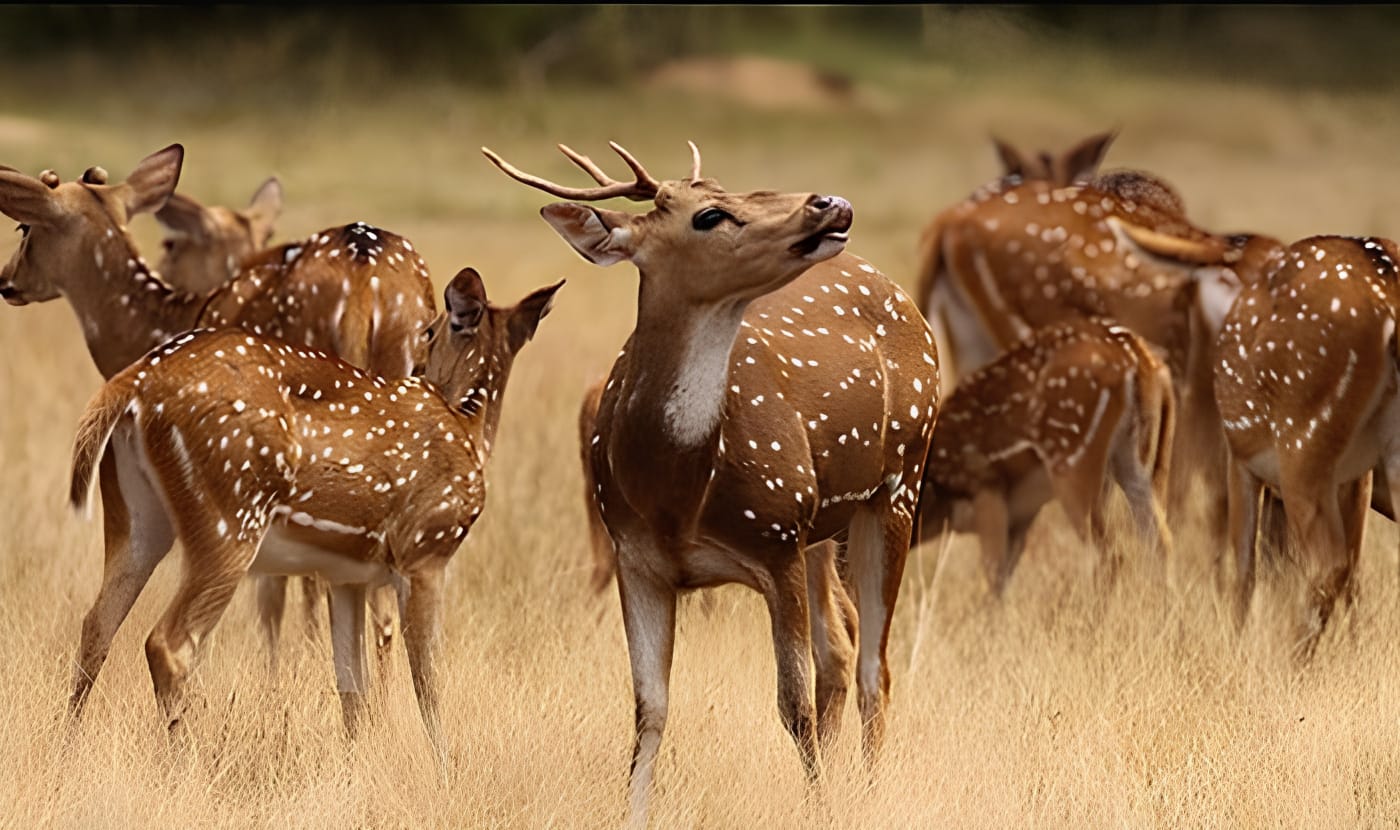
If you are looking for tranquility, Wilpattu is the ultimate destination. As Sri Lanka's largest national park, it is celebrated for its unique natural lakes ("willus") and dense forests.
- The Vibe: It offers high-quality elephant (and leopard) sightings with almost no crowds, making it perfect for those seeking solitude.
- 2026 Cost: Expect to pay between USD $50–$80 per person for a shared jeep.
- Best Time: February to May.
2. Gal Oya National Park: The Low-Impact Boat Safari
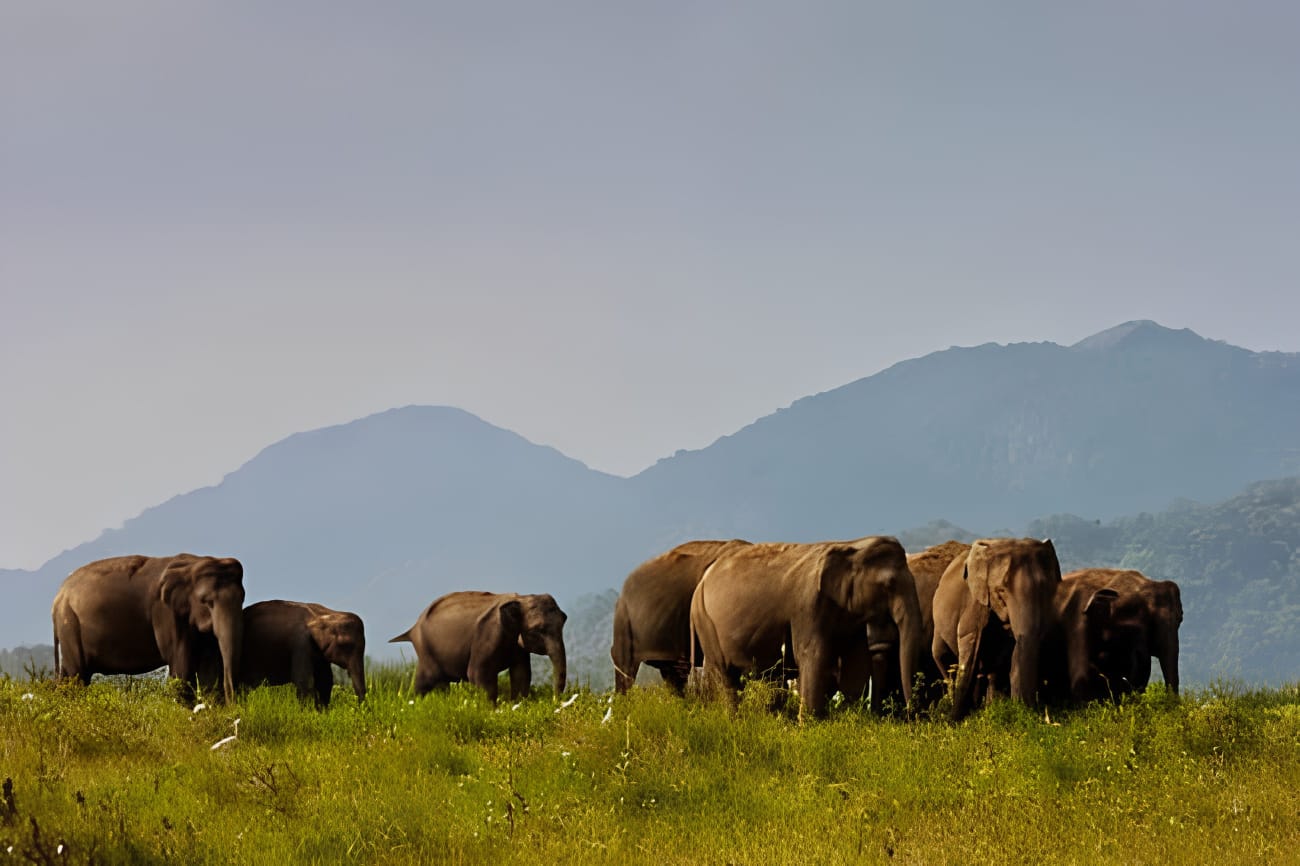
For a truly off-the-beaten-path experience, Gal Oya focuses strictly on low-impact tourism and conservation-led safaris.
- The Vibe: Instead of standard jeeps, you can embark on a quiet boat safari. This offers the incredibly rare opportunity to witness Asian elephants swimming between islands and interacting completely undisturbed in the wild.
- Best Time: March to July.
3. Minneriya National Park: "The Gathering"
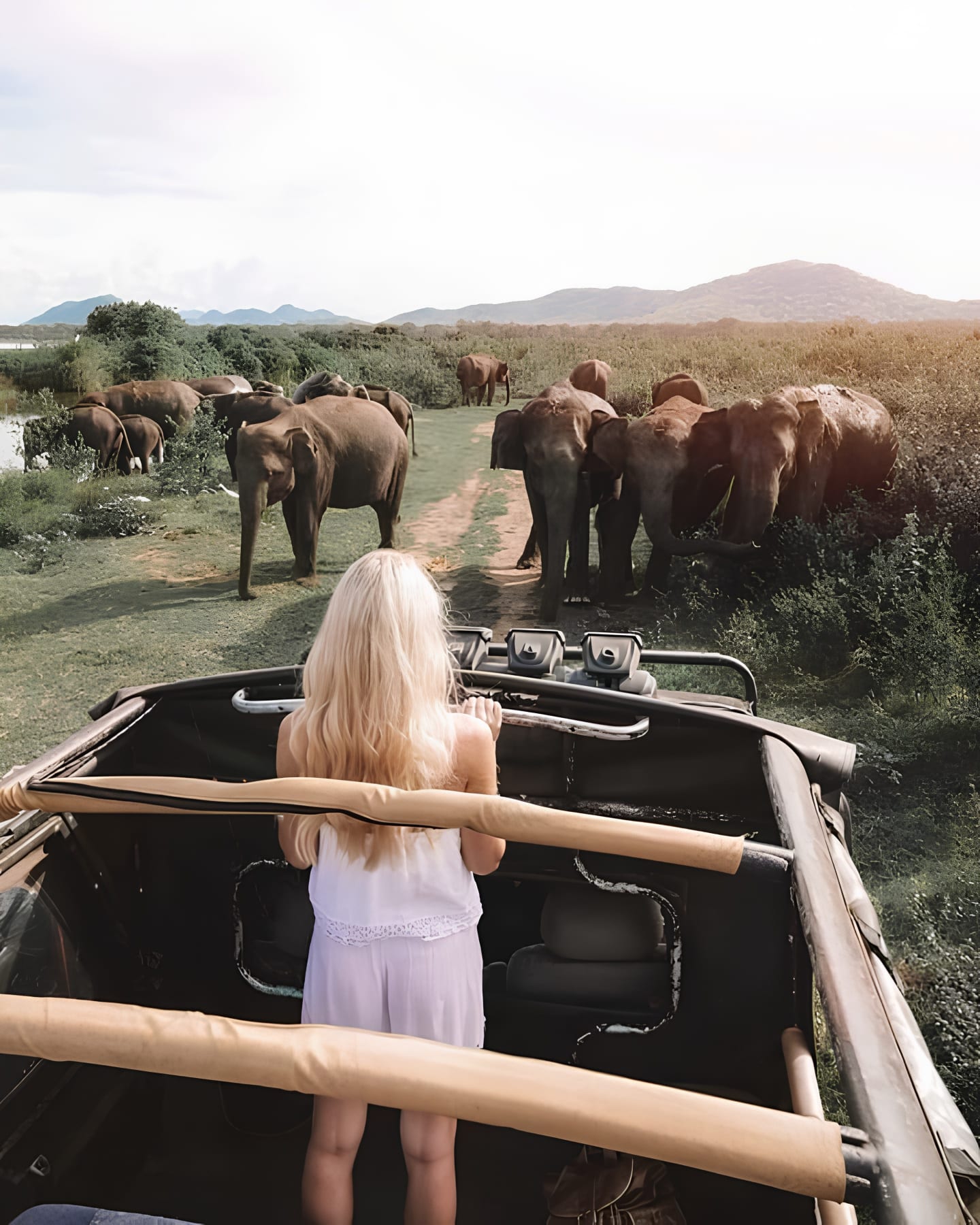
If your holiday falls in the European late summer or early autumn, Minneriya is an absolute must-visit.
- The Vibe: During the dry season, hundreds of elephants migrate to the ancient Minneriya Reservoir in search of fresh grass and water. Known globally as "The Gathering," you can witness 200 to 400 elephants congregating in a single area.
- 2026 Cost: USD $40–$70 per person.
- Best Time: August to October.
Pro-Tip: Guaranteed Sightings on a Budget "If you are traveling with family and want near-guaranteed elephant sightings without breaking the bank, Udawalawe National Park is your best option. Large herds roam freely year-round, and 2026 entry costs are the lowest among major parks at just USD $35–$65 per person."
Supporting Real Conservation: The Elephant Transit Home
Many facilities claim to be "sanctuaries," but ethical travelers must be vigilant. You should actively discourage elephant rides, forced bathing sessions, and captive breeding.
Instead, direct your tourism euros to legitimate conservation efforts like the Elephant Transit Home in Udawalawe.
- How It Works: Operated by Sri Lanka's Department of Wildlife Conservation and supported by the UK's Born Free Foundation, this facility rehabilitates orphaned and sick calves.
- The Ethical Difference: The ultimate goal here is reintroduction into the wild. Visitors can watch the calves being fed from a designated observation platform, but direct human contact—including touching or bathing the animals—is strictly prohibited.
“"A true wildlife encounter should be defined not by how close you get to the animal, but by how little your presence disrupts its natural behavior."
5 Essential Ethical Safari Protocols
When you book a safari, you are entering the elephant's home. Ensure your tour operator adheres to these strict, non-negotiable rules:
- Maintain Your Distance: Vehicles should never crowd an elephant. If an elephant shakes its ears aggressively or backs away, you are too close.
- Cut the Engine: Drivers must switch off their engines when stopped near wildlife to minimize noise and toxic exhaust pollution.
- Observe Absolute Silence: Keep your voices down. The only sounds should be the natural jungle environment.
- No Off-Roading: Sticking to designated tracks protects the fragile ecosystem and vital root systems.
- Never Feed the Wildlife: Feeding wild elephants alters their natural foraging habits, creates human dependency, and ultimately leads to dangerous human-elephant conflicts.